
Key Highlights
- Increase productivity, maximize space, and improve safety with efficient material handling solutions
- Explore the basics of material handling and its importance in the supply chain
- Learn about different categories of material handling equipment, including lift tables, conveyor systems, and pallet racks
- Discover key types of material handling equipment like automated guided vehicles (AGVs), conveyor systems, and industrial trucks
- Understand the role of innovative storage solutions like high-density storage systems and modular shelving
- Enhance efficiency with industrial trucks and learn about different types and their uses
- Explore the role of engineered systems like robotics and IoT in advanced material handling
- Learn about factors to consider when selecting the right material handling equipment, including operational efficiency and scalability
- Find out about custom solutions to meet unique business needs
- Get answers to frequently asked questions about material handling equipment and safety measures
- Conclusion: Implementing efficient material handling solutions can significantly improve operational efficiency, optimize space, and enhance safety in your business.
Introduction
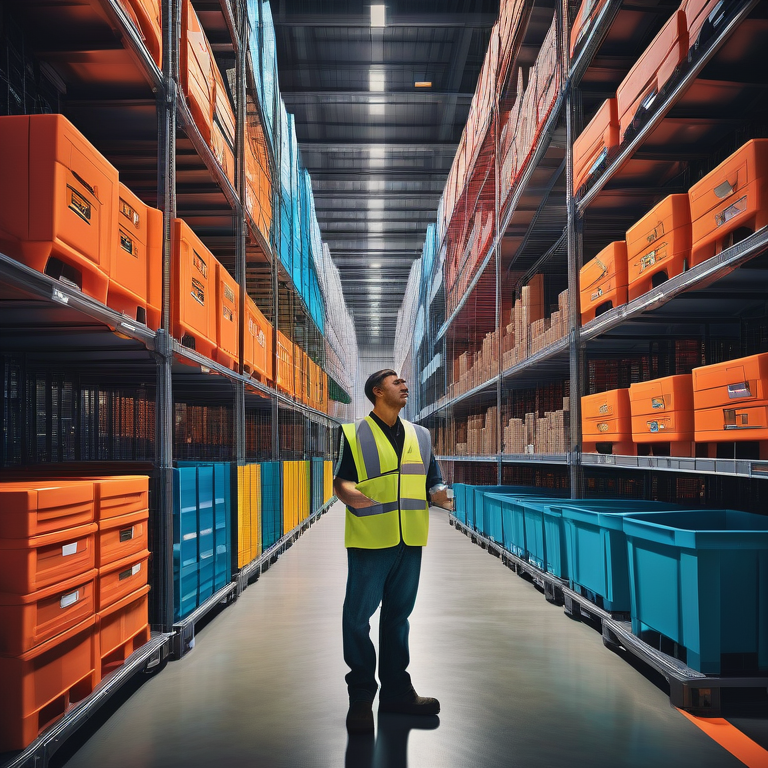
Efficient material handling is crucial for businesses in various industries as it directly impacts productivity, space utilization, and safety. Whether you are a manufacturer, distributor, or retailer, having effective material handling solutions in place can streamline your operations, reduce costs, and improve customer satisfaction.
To understand the importance of efficient material handling, it is essential to explore the basics of this process. Material handling refers to the movement, storage, and control of materials and products throughout the supply chain. It involves various operational activities, such as loading and unloading, transportation, picking and packing, and inventory management.
Implementing efficient material handling systems and equipment can optimize these activities, leading to increased operational efficiency. With the right handling systems in place, businesses can minimize manual labor, reduce downtime, and ensure smooth flow of materials within their facilities.
In this blog, we will delve into the different categories of material handling equipment and explore key types of equipment like lift tables, conveyor systems, and industrial trucks. We will also discuss innovative storage solutions like high-density storage systems and modular shelving. Additionally, we will examine the role of engineered systems like robotics and IoT in advanced material handling. Finally, we will provide guidance on selecting the right material handling equipment for your business and address frequently asked questions about material handling and safety measures.
By the end of this blog, you will have a comprehensive understanding of efficient material handling solutions and how they can benefit your business.
Exploring the Basics of Material Handling Solutions
Efficient material handling solutions are essential for businesses looking to optimize their operational efficiency, maximize space utilization, and ensure the safety of their workforce. Material handling involves a range of activities, such as loading and unloading, transportation, picking and packing, and inventory management. By implementing the right handling systems and equipment, businesses can streamline these activities, reduce manual labor, and improve overall productivity. In the following sections, we will delve deeper into the definition, importance, and various categories of material handling solutions.



Definition and Importance of Material Handling
Material handling is an essential part of the supply chain process as it involves the movement, storage, and control of materials and products. It encompasses a wide range of activities, including loading and unloading trucks, transporting materials within a facility, picking and packing orders, and managing inventory.
Efficient material handling is crucial for businesses as it directly impacts their operational efficiency, cost-effectiveness, and customer satisfaction. By implementing the right material handling solutions, businesses can improve productivity, reduce errors, minimize damage to materials, and enhance worker safety.
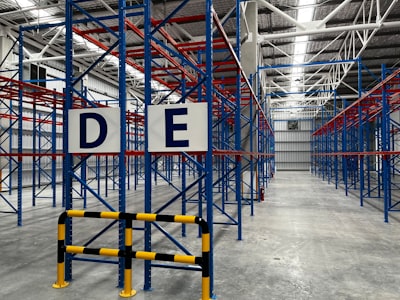
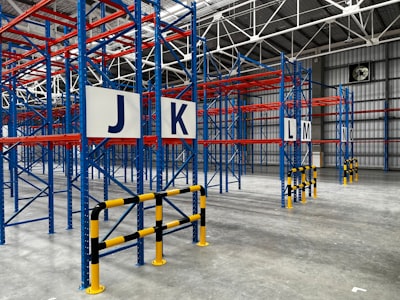
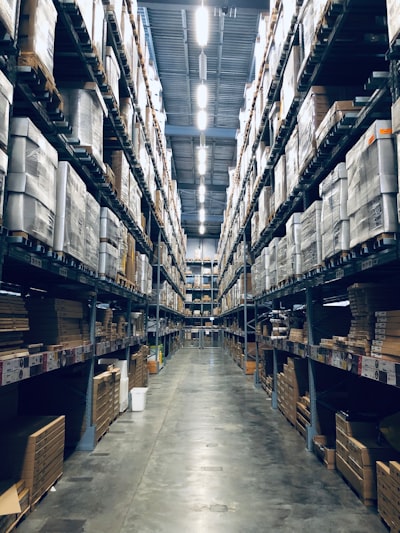
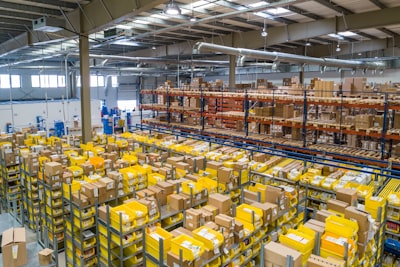
Storage equipment, such as pallet racks, shelving, and mezzanines, play a significant role in material handling by providing organized storage space for goods. Properly designed and utilized storage equipment can maximize space utilization, improve inventory management, and facilitate efficient material flow.
Overall, efficient material handling not only ensures the smooth flow of materials throughout the supply chain but also contributes to the overall success and profitability of a business.



Overview of Material Handling Categories
Material handling equipment can be categorized into various types based on their specific functions and applications. Some of the key categories include lift tables, conveyor systems, and pallet racks.
Lift tables are versatile equipment used to lift and lower materials to different heights. They provide ergonomic solutions for loading and unloading trucks, assembly operations, and positioning products.
Conveyor systems are used to transport materials from one location to another within a facility. They can be customized to suit specific requirements and can handle a wide range of products, from small packages to heavy loads. Conveyor systems offer efficient material flow, reduce manual labor, and improve operational efficiency.
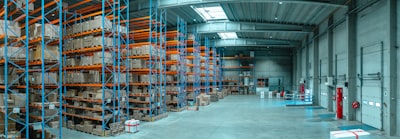
Pallet racks are a common storage solution used in warehouses and distribution centers. They provide vertical storage for palletized goods, allowing businesses to maximize their storage space. Pallet racks come in various configurations, such as selective racks, drive-in racks, and push-back racks, catering to different storage needs.
By utilizing these material handling categories effectively, businesses can optimize their operations, improve space utilization, and enhance overall efficiency.
Key Types of Material Handling Equipment
Efficient material handling in businesses relies on the use of various types of equipment. Some key types of material handling equipment include automated guided vehicles (AGVs), conveyor systems, and industrial trucks.
AGVs are autonomous vehicles that can navigate and transport materials within a facility without the need for human intervention. They are programmed to follow predefined routes and can be used for various tasks, such as moving products between workstations, transporting goods to and from storage areas, and automated fleet management.
Conveyor systems, as mentioned earlier, are used to transport materials from one location to another. They can be customized to suit specific requirements, such as inclines or declines, accumulation zones, and diverters.
Industrial trucks, including forklifts, pallet jacks, and sweepers, are widely used in material handling operations. Forklifts are versatile machines used for lifting and moving heavy loads, while pallet jacks are commonly used for moving palletized goods within a facility. Sweepers are used for cleaning and maintaining a clean and safe work environment.
By utilizing these key types of material handling equipment, businesses can enhance their operational efficiency, improve productivity, and reduce manual labor.
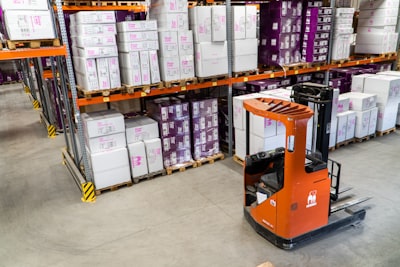


Automated Guided Vehicles (AGVs)
Automated Guided Vehicles (AGVs) are a revolutionary technology in material handling. These autonomous vehicles can navigate and transport materials within a facility without the need for human intervention. AGVs are programmed to follow predefined routes and can be used for various tasks, such as moving products between workstations, transporting goods to and from storage areas, and automated fleet management.
AGVs offer several benefits, including increased efficiency, reduced labor costs, and improved safety. They can operate 24/7, eliminating the need for shift work and breaks. AGVs also contribute to automation in material handling systems, reducing the reliance on manual labor and improving overall productivity.
Implementing AGVs in material handling operations can streamline processes, reduce errors, and optimize material flow. With advanced features like obstacle detection and collision avoidance, AGVs ensure safe and efficient transportation of materials within a facility.
Conveyor Systems and Their Applications
Conveyor systems play a vital role in material handling by facilitating the movement of materials from one location to another within a facility. These systems consist of a network of belts, rollers, and other mechanisms that transport goods automatically, allowing businesses to streamline their operations and improve efficiency.
Conveyor systems have wide-ranging applications, including transporting products from production lines to storage areas, loading and unloading trucks, and moving goods between different workstations. They are especially useful for handling palletized goods, as they can transport them directly to pallet storage areas, maximizing space utilization and minimizing manual labor.
By implementing conveyor systems, businesses can significantly increase their throughput and overall productivity. These systems ensure smooth material flow, reduce handling time, and minimize the risk of damage or loss. Conveyor systems also contribute to a safer working environment by eliminating the need for manual material handling.
https://www.p4i.com/accountKey/3949543
Innovative Storage Solutions
Efficient storage solutions are an integral part of material handling systems. They not only optimize space utilization but also improve inventory management and facilitate efficient material flow. Some of the innovative storage solutions available in the market include high-density storage systems, modular shelving, and storage racks.
High-density storage systems, such as automated storage and retrieval systems (AS/RS) and vertical lift modules (VLM), maximize storage capacity by utilizing vertical space. These systems can store and retrieve items automatically, reducing manual labor and improving operational efficiency.
Modular shelving provides customizable storage solutions that can be adapted to fit specific requirements. These shelving systems allow businesses to optimize space utilization and organize their inventory effectively.
Storage racks, such as pallet racks and cantilever racks, are used to store palletized or bulky items. These racks provide vertical storage space, allowing businesses to maximize their storage capacity and improve inventory management.
By implementing innovative storage solutions, businesses can improve space utilization, enhance inventory management, and streamline material flow within their facilities.
https://cms-smo.ae-admin.com/admin/
High-Density Storage Systems
High-density storage systems are an excellent solution for businesses looking to optimize their warehouse design and maximize storage capacity. These systems utilize vertical space to store and retrieve items efficiently, reducing the need for extensive floor space.
Automated storage and retrieval systems (AS/RS) are a type of high-density storage system that uses automated machinery to handle pallets or containers. AS/RS can store and retrieve items based on pre-determined algorithms or commands, ensuring accurate and efficient inventory management.
Vertical lift modules (VLM) are another type of high-density storage system that utilizes vertical space. VLMs consist of a series of trays or shelves that can be accessed by an automated lift. The lift retrieves the desired tray or shelf and brings it down to the operator, eliminating the need for manual picking and reducing the risk of errors.
By implementing high-density storage systems, businesses can optimize their warehouse layout, reduce labor costs, and improve inventory management. These systems are especially beneficial for storing palletized items or bulky goods.



Modular Shelving and Racking Solutions
Modular shelving and racking solutions offer businesses the flexibility to customize their storage space according to their specific needs. These solutions provide highly adaptable storage options, allowing businesses to optimize their space utilization and improve inventory management.
Modular shelving systems consist of individual shelves that can be easily assembled, disassembled, or reconfigured to accommodate changing storage requirements. These systems are especially useful for businesses dealing with small or medium-sized items that need to be organized efficiently.
Racking solutions, such as pallet racks and cantilever racks, are designed to store palletized or bulky items. These racks provide vertical storage space, allowing businesses to maximize their storage capacity and accommodate different sizes of pallets or inventory.
By implementing modular shelving and racking solutions, businesses can improve their storage efficiency, organize their inventory effectively, and ensure easy accessibility to stored items.

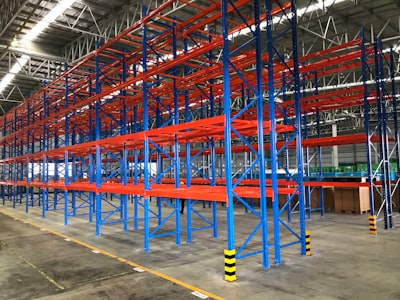
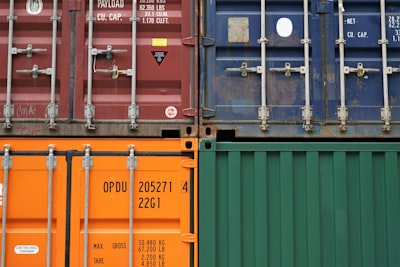
Enhancing Efficiency with Industrial Trucks
Industrial trucks play a critical role in material handling operations, enabling businesses to transport, lift, and stack heavy loads efficiently. These trucks are designed to enhance operational efficiency, improve productivity, and ensure the safe movement of materials within a facility.
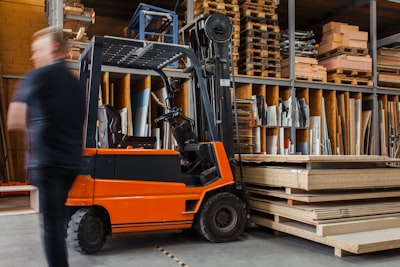
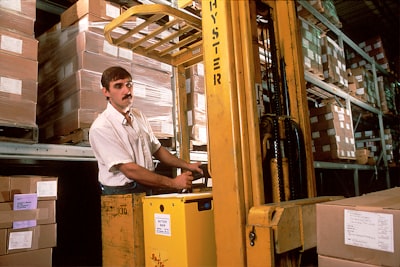
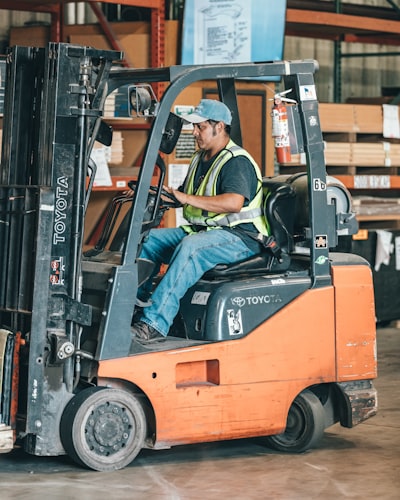
Industrial trucks come in various types, including forklifts, pallet jacks, and sweepers. Forklifts are versatile machines used for lifting and moving heavy loads, while pallet jacks are ideal for transporting palletized goods within a facility. Sweepers are used for cleaning and maintaining a clean and safe work environment.
Dock equipment, such as dock levelers, dock seals, and strip doors, also contribute to efficient material handling with industrial trucks. Dock levelers ensure smooth and safe loading and unloading of trucks, while dock seals and strip doors help maintain the temperature inside the facility and protect goods from external elements.
By utilizing industrial trucks and appropriate dock equipment, businesses can enhance their operational efficiency, improve safety, and streamline material handling processes.
https://login.microsoftonline.com/login.srf
Types of Industrial Trucks and Their Uses
Industrial trucks are essential equipment in material handling operations, offering efficient solutions for transporting, lifting, and stacking heavy loads. Different types of industrial trucks are designed for specific tasks and applications. Here are some common types of industrial trucks and their uses:
- Forklifts: Forklifts are versatile machines used for lifting and moving heavy loads. They come in various configurations, including counterbalance forklifts, reach trucks, and order pickers. Forklifts are commonly used in warehouses, manufacturing facilities, and distribution centers.
- Pallet Jacks: Pallet jacks, also known as pallet trucks, are used for transporting palletized goods within a facility. They come in manual and electric versions and are ideal for loading and unloading trucks, as well as moving goods within a warehouse.
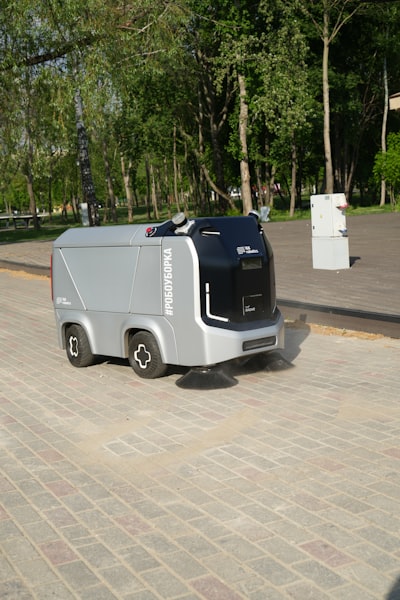
- Sweepers: Sweepers are used for cleaning and maintaining a clean work environment. They come in different sizes and configurations, including walk-behind and ride-on models. Sweepers help remove dust, debris, and other contaminants from floors, ensuring a safe and clean workspace.
The following table provides a comparison of different types of industrial trucks:
|
Truck Type |
Use Case |
|
Forklift |
Lifting and moving heavy loads |
|
Pallet Jack |
Transporting palletized goods |
|
Sweeper |
Cleaning and maintaining a clean work environment |
By understanding the different types of industrial trucks and their uses, businesses can choose the right equipment to optimize their material handling operations.
Safety Tips for Operating Industrial Trucks
Operating industrial trucks safely is crucial for maintaining a safe working environment and preventing accidents. Here are some essential safety tips for operating industrial trucks:
- Proper Training: Ensure that operators receive proper training on the specific type of industrial truck they will be using. Training should cover safe operating procedures, load handling, and emergency protocols.
- Regular Inspections: Conduct regular inspections of industrial trucks to ensure they are in proper working condition. Check for any damage, malfunctions, or signs of wear and tear. Address any issues immediately to prevent accidents.
- Load Capacity: Adhere to the load capacity limits specified for each industrial truck. Overloading can cause instability and increase the risk of accidents.
- Seat Belt Usage: Encourage operators to wear seat belts while operating industrial trucks. Seat belts can prevent operators from being thrown out of the truck in the event of a collision or sudden movement.
- Clear Visibility: Ensure that operators have clear visibility when operating industrial trucks. Clear obstructions from their line of sight and use mirrors and cameras where necessary.
- Safe Speed: Encourage operators to drive at a safe speed and adjust their speed based on the conditions of the environment.
By following these safety tips, businesses can ensure the safe operation of industrial trucks, reduce the risk of accidents, and protect their workforce.
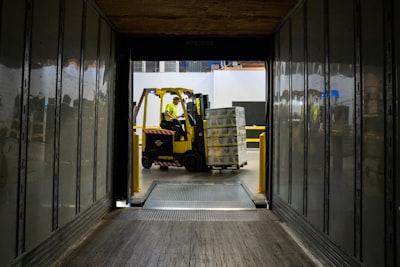





Engineered Systems for Advanced Material Handling
Engineered systems, such as robotics and IoT, have revolutionized the field of material handling, offering advanced solutions for increased efficiency and productivity. These systems utilize automation and data-driven technologies to streamline material handling processes and optimize operational performance.
Robotics play a crucial role in material handling, offering automated solutions for tasks such as palletizing, sorting, and order fulfillment. Robots can work alongside human operators or operate autonomously, providing increased speed, accuracy, and efficiency.
The Internet of Things (IoT) enables the connectivity and data exchange between various devices and systems in material handling operations. IoT technologies can track and analyze data in real-time, providing valuable insights for optimizing material flow, inventory management, and overall operational efficiency.
By integrating engineered systems like robotics and IoT, businesses can achieve higher levels of automation, operational efficiency, and cost-effectiveness in their material handling processes.
The Role of Robotics in Material Handling
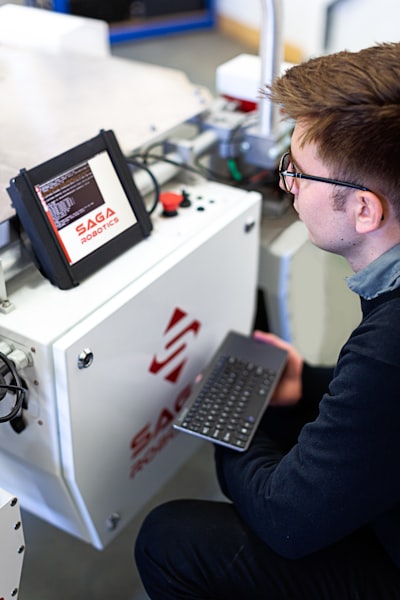
Robotics has transformed the field of material handling, offering advanced solutions to streamline operations and improve efficiency. Robots can perform a wide range of tasks in material handling, from picking and packing to sorting and palletizing.
One of the main benefits of robotics in material handling is automation. Robots can operate autonomously or work alongside human operators, reducing the need for manual labor and increasing operational efficiency. They can handle repetitive and physically demanding tasks, allowing human operators to focus on more complex and value-added activities.
With their speed, accuracy, and precision, robots can significantly improve the throughput and overall productivity of material handling operations. They can handle a high volume of items with minimal errors, leading to improved customer satisfaction and reduced costs.
By leveraging robotics in material handling, businesses can optimize their operations, reduce labor costs, and achieve higher levels of operational efficiency.




Integrating IoT for Smart Material Handling
The integration of IoT technologies in material handling has revolutionized the way businesses manage their operations. IoT enables the connectivity and data exchange between various devices and systems, providing real-time insights and enabling smart decision-making.
In smart material handling, IoT technologies can track and monitor the movement of materials, optimize inventory management, and improve overall operational efficiency. Sensors and RFID tags can be attached to items or equipment to collect data on their location, condition, and performance.
This data can then be analyzed using advanced analytics tools, providing valuable insights for optimizing material flow, identifying bottlenecks, and predicting maintenance needs. By leveraging IoT and data analytics, businesses can make informed decisions, optimize their processes, and reduce costs.
The integration of IoT in material handling also enables real-time monitoring and control, allowing businesses to respond quickly to changes in demand or supply chain dynamics. This leads to improved agility, customer satisfaction, and overall operational excellence.


Selecting the Right Material Handling Equipment
Selecting the right material handling equipment is crucial for businesses to ensure optimal operational efficiency, productivity, and safety. Choosing the appropriate equipment requires careful consideration of various factors, including the specific needs of the business, available space, and budget constraints.
When selecting material handling equipment, it is essential to work with a reputable supplier that offers excellent customer service and consultation. A knowledgeable supplier can provide expert advice, assess the specific requirements of the business, and recommend suitable equipment solutions.
Furthermore, consider the scalability of the equipment to accommodate future growth and changing needs. Ensure that the equipment meets industry standards and safety regulations to ensure the well-being of the workforce and compliance with regulations.
By carefully evaluating equipment options, consulting with experts, and considering the specific needs of the business, businesses can select the right material handling equipment that enhances operational efficiency and meets their unique requirements.
Factors to Consider When Choosing Equipment

When choosing material handling equipment, businesses need to consider several factors to ensure optimal performance and functionality. Here are some key factors to consider:
- Operational Efficiency: The equipment should enhance operational efficiency by improving productivity, reducing downtime, and streamlining material flow.
- Cost: Consider the initial cost of the equipment, as well as ongoing maintenance and operating expenses. Compare different options and consider the long-term return on investment (ROI) when making a decision.
- Scalability: Choose equipment that can accommodate future growth and changing needs. Consider the flexibility and adaptability of the equipment to ensure it can be easily integrated into evolving processes.
- Safety Features: Prioritize equipment that has robust safety features to protect the workforce and prevent accidents. Ensure the equipment meets industry standards and complies with safety regulations.
- Supplier Reputation: Work with a reputable supplier that offers excellent customer service, after-sales support, and consultation. A trusted supplier can provide guidance, recommend suitable equipment, and assist with installation and maintenance.
By considering these factors, businesses can make informed decisions when choosing material handling equipment that best suits their operational needs and goals.
Custom Solutions for Unique Business Needs
Every business has unique material handling requirements based on their industry, operations, and specific needs. In such cases, custom solutions can be developed to address these unique requirements.
Working with a provider that offers design services and custom solutions can ensure that the equipment and systems are tailored to meet the specific needs of the business. These providers can assess the existing processes, space constraints, and other factors to design and implement customized material handling solutions.
Custom solutions can range from modified equipment configurations to completely new systems designed from scratch. They can optimize material flow, improve space utilization, and enhance productivity by aligning the equipment and systems with the unique needs of the business.
By opting for custom solutions, businesses can achieve optimal operational efficiency and maximize their return on investment by investing in equipment and systems tailored to their specific requirements.
Conclusion
Efficient material handling solutions are vital for optimizing business operations. From automated guided vehicles to innovative storage systems, investing in the right equipment enhances productivity and safety. Understanding the importance of material handling and selecting suitable solutions tailored to your business’s unique needs can significantly boost efficiency. Integrating advanced technologies like robotics and IoT further streamlines operations and maximizes output. By prioritizing safety measures and regularly upgrading equipment, businesses can ensure a seamless and secure material handling process. Stay ahead in the industry by embracing these cutting-edge solutions for a more efficient and productive future.
Frequently Asked Questions
What Are the Benefits of Upgrading Material Handling Equipment?
Upgrading material handling equipment offers several benefits, including improved operational efficiency, reduced downtime, and enhanced supply chain performance. It can optimize material flow, increase productivity, and provide a higher return on investment (ROI) in the long run.
How Can Businesses Ensure Safety in Material Handling?
Businesses can ensure safety in material handling by providing proper training to operators, following strict operational procedures, maintaining equipment regularly, and adhering to safety regulations. Working with a reputable equipment company that prioritizes safety is also crucial.